Inked: A Bold Tattoo-Inspired Display Font for Makers
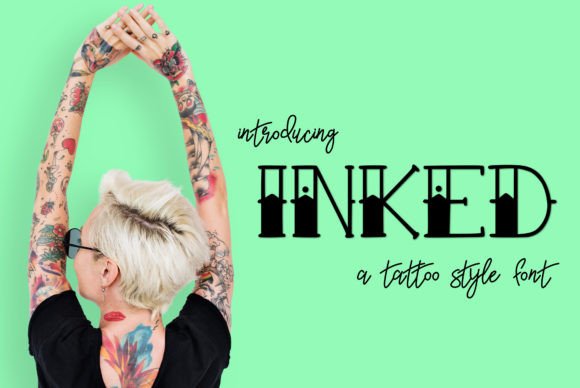
It started with a candle label. I’d just poured my first batch of cedar-sage soy candles, and the blank white sticker felt too quiet—like whispering in a tattoo parlor. That’s when I opened Inked. One glance at those tall, commanding uppercase letters—each one edged with subtle spikes, shadowed curves, and that unmistakable hand-poked confidence—and everything clicked. This wasn’t just another font. It was attitude, texture, and intention, all wrapped into clean, scalable vectors.
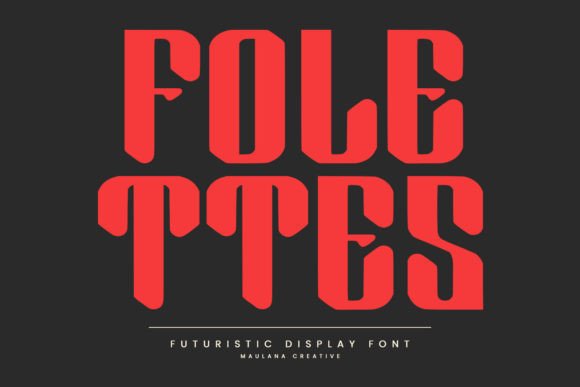
Inked is a display font built for impact. Its uppercase characters dominate space with bold vertical rhythm and carefully placed decorative elements—think sharp but controlled, rebellious but refined. There are no lowercase letters here, and that’s by thoughtful design: this is a typeface meant for titles, names, short phrases, and moments where you want your words to hold weight. It doesn’t fade into the background. It leans in, sleeves rolled up.
I tested it across real maker workflows—no mockups, no “just for show.” First, on matte-finish candle labels printed via my home inkjet: the thick strokes held crisp detail even at 14pt, and the subtle spikes translated beautifully without bleeding or pixelation. Then came the sticker sheet—36mm round vinyl decals for tote bags and mugs. At that size, I used only the boldest letterforms (like “BOLD,” “INKED,” or single-word brand tags) and avoided tight kerning. The result? Instant shelf presence. Customers paused. They traced the edges with their fingers. That tactile pull? That’s Inked doing its job.
It shines brightest where personality matters most: wedding welcome boards stenciled on reclaimed wood, foil-stamped boutique gift tags, printable wall art for studios and salons, seasonal greeting cards (especially Halloween, Pride, or anniversary editions), and planner cover pages designed to feel like heirlooms. I used it for a set of digital download planner stickers—paired with a soft, rounded sans serif for body text—and the contrast gave the whole collection grounded energy. For physical products like ceramic mugs or cotton tees, I kept phrases under five words (“Wild Heart,” “Made With Ink,” “No Regrets”) and always checked cut lines in my Cricut Design Space before sending to vinyl. Because while Inked is bold, it’s not overly ornate—it cuts cleanly on most machines when scaled appropriately.
Readability is intuitive but intentional. On small product tags (under 10mm height), I reserve Inked for initials or monograms only. For shop banners or social media graphics, it’s perfect at 24–48pt—where those decorative details sing without overwhelming. And yes, it works beautifully in listing images: that sharp contrast between Inked’s heavy stems and a clean off-white background makes thumbnails pop in Etsy feeds and Pinterest pins.
Pairing is where Inked reveals its versatility. I often layer it over a warm, low-contrast sans serif—think Montserrat Light or Poppins Regular—for ingredient lists, care instructions, or fine print. For wedding stationery, it pairs surprisingly well with a delicate script font (not too flourished) for names or dates—creating a dynamic yet balanced hierarchy. And for farmhouse-style signs or apothecary labels? A sturdy serif like Playfair Display adds timeless contrast without competing.
Before using Inked commercially—whether on physical goods, digital templates, or SVG bundles—I always double-checked the license. It includes standard OpenType features: basic ligatures, stylistic alternates (like a spikier “A” or shadowed “R”), and full commercial use rights for both physical and digital resale. No hidden restrictions. No surprises when uploading to Printful or bundling into Canva-compatible templates. I also confirmed multilingual support covers Western European languages—enough for most handmade markets, though I’d verify extended Latin or Cyrillic needs case-by-case.
What surprised me most wasn’t how Inked looked—but how it *felt* to work with. There’s a confidence in choosing a font that doesn’t apologize for its presence. When I added it to my holiday mug collection (“Merry & Inked”), customers didn’t just comment on the design—they commented on the *vibe*. Same with a set of printable affirmation cards: “Unapologetic,” “Rooted,” “Fierce”—each word carried more resonance because Inked gave it physical weight.
It’s not a font for paragraphs. It’s not for ingredient tables or legal disclaimers. But for that moment when your customer first sees your brand name on a kraft box tag, or reads “Welcome Home” on a wooden sign beside your front door—that’s where Inked earns its place. It tells a story before a single word is read aloud. It says: *This was made with care, character, and a little bit of edge.*
If you’re selecting fonts for packaging, printables, or shop branding, ask yourself: does this typeface reflect the feeling I want someone to carry away? With Inked, the answer is almost always yes—especially when your craft lives at the intersection of handmade warmth and bold self-expression.
Whether you're prepping a new candle line, designing a wedding suite, or building a cohesive set of digital planner pages, Inked isn’t just another display font. It’s a quiet statement—made loud, proud, and perfectly imperfect.